Advanced Foot & Ankle Specialists

  • Home
  • Staff
  • Offices
  • Services
  • New Patients
  • Contact Us
  • Appointment Request
  • Patient Education
  • Appointment Request
Subscribe to our RSS Feed

Archive:

  • 2013
      • May (2)
        • A Look at Painful Plantar Warts
        • Plantar Fasciitis: Put Your Heel Pain to a Halt
      • April (2)
        • Morton’s Neuroma: What is it and How to Stop the Pain
        • Metatarsalgia: Ball of Foot Pain
      • March (2)
        • Easy Ways to Prevent and Treat an Ingrown Toenail
        • Hammering Out Painful Hammertoe
      • February (2)
        • Growing Pains Keeping Your Child Up At Night?
        • Fighting Off Foot Odor
      • January (2)
        • Running the Race to Good Foot Health
        • The Arch Enemy: How to Ease Pain Caused by Flatfoot
  • 2012
      • December (2)
        • How to Minimize Diabetic Foot Problems
        • How to Relieve Corns and Calluses
      • November (2)
        • Advice for Bunion Pain Sufferers
        • Detecting a Painful Bone Spur
      • October (1)
        • Athlete’s Foot: How to Prevent Irritating Foot Fungus

Tags

  • Athletes Foot (1)
  • Bone Spurs (1)
  • Bunions (1)
  • Corns and Calluses (1)
  • Diabetic (1)
  • Flat Feet (1)
  • Runners (1)
  • Foot Odor (1)
  • Growing Pains (1)
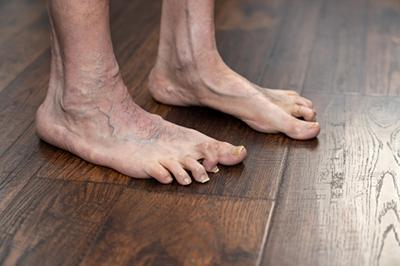
  • Hammertoes (1)
  • Ingrown Toenails (1)
  • Ball of Foot Pain (1)
  • Neuroma (1)
  • plantar fasciitis (1)
  • Plantar Warts (1)

Categories:

  • Foot Care (15)

 
  • Bunions
  • Heel Pain
  • Orthotics
  • Ingrown Toenails

Advanced Foot & Ankle Specialists

Brandon, FL Podiatry Office
Advanced Foot & Ankle Specialists
206 Buckingham Place, Suite 101
Brandon, FL 33511
(813) 571-2977
(813) 654-9545 fax

A Look at Painful Plantar Warts

By Advanced Foot & Ankle Specialists
May 15, 2013
Category: Foot Care
Tags: Plantar Warts  

Plantar WartPlantar warts are benign growths that develop on the bottom of your feet caused by direct contact with the human papilloma virus (HPV) -- the same virus that causes warts on other areas of the body. Some people are more susceptible than others to HPV, and not everyone will develop plantar warts if they come into contact with the virus. Individuals with weak immune systems or damaged skin on the feet are at a higher risk for plantar warts.

Plantar warts most often develop on the weight-bearing areas of the foot -- the heel or the ball of the foot -- causing sharp, burning pain. They can appear as a single wart (solitary) or a cluster of warts (mosaic). Common symptoms may include:

  • Pain or discomfort when walking or standing
  • Thick, scaly skin that often resembles a callus
  • Hard, flat growths with well-defined boundaries
  • Tiny black specks (clotted blood vessels) that often appear on the surface of the wart

Most warts disappear with home care and do not require medical treatment. You can take steps to prevent and treat plantar warts, which include:

  • Changing your shoes and socks daily
  • Keeping your feet clean and dry
  • Avoid picking at warts as the virus may spread
  • Avoid direct contact with an individual who has plantar warts
  • Checking your child's feet periodically
  • Refrain from walking barefoot, especially in public areas like showers, swimming pools and locker rooms
  • Never ignore skin growths or changes in your skin

You should always seek care from a podiatrist when warts interfere with your daily life, aren't responding to home treatments, or if you have circulatory disorders. Contact Advanced Foot & Ankle Specialists if your warts:

  • Change color or shape
  • Cause unbearable pain and discomfort
  • Interfere with activities
  • Multiply or reappear

Without treatment, plantar warts can grow, spread and prompt new warts to grow as fast as the old ones disappear. If you can't confidently identify a growth on your foot, visit Advanced Foot & Ankle Specialists to ensure a correct diagnosis. Early diagnosis and treatment from our Brandon office can decrease the risk of the wart spreading and multiplying.

0 Comment(s) Permalink

Plantar Fasciitis: Put Your Heel Pain to a Halt

By Advanced Foot & Ankle Specialists
May 01, 2013
Category: Foot Care
Tags: plantar fasciitis  

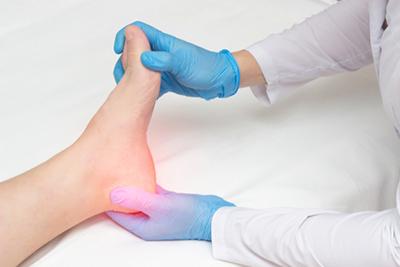
Plantar FasciitisHeel pain is most often caused by plantar fasciitis, an inflammation of the long, dense band of connective tissue (the plantar fascia) that runs from the heel to the ball of the foot.

Repeated strain on the plantar fascia can cause tiny tears in the ligament. As tension and tearing increases, so does inflammation and irritation of the affected area. Risk factors of plantar fasciitis include foot arch problems (flat foot and high arches); excess weight; running; and a tight Achilles tendon.
The most common complaint of plantar fasciitis is pain in the bottom of the heel that develops gradually. The pain is usually worse in the morning and after sitting or standing for a long period of time. For some, the pain subsides after walking or stretching.
To reduce pain associated with plantar fasciitis:

  • Rest. Limit and/or avoid activities that make your heel hurt.
  • Ice. Reduce pain and swelling by icing the affected area each day.
  • Stretch. Stretch your heel throughout the day, especially when you first wake up in the morning.
  • Footwear modifications. Wear shoes that provide good arch support and a cushioned sole. Ask your podiatrist about pads and shoe inserts to relieve your heel pain.

When conservative treatments aren't effective or your pain persists for more than a few weeks, schedule an appointment with Advanced Foot & Ankle Specialists to discuss your symptoms and treatment options. A podiatrist can recommend an appropriate treatment plan for your individual needs. This may include, stretching exercises, shoe padding, orthotic devices, night splints or therapy. Most patients respond to non-surgical treatments, but for pain that won't go away, surgery may be considered.

With proper rest and treatment, recovering from plantar fasciitis can take just a few months. Visit us at Advanced Foot & Ankle Specialists when you first experience pain for a proper diagnosis and an appropriate treatment plan for your individual needs.

0 Comment(s) Permalink

Morton’s Neuroma: What is it and How to Stop the Pain

By Advanced Foot & Ankle Specialists
April 15, 2013
Category: Foot Care
Tags: Neuroma  

NeuromaA neuroma is a thickening of nerve tissue that can develop in various parts of your body. In the foot, the most common occurring neuroma develops at the base of the third and fourth toes. This condition is referred to as Morton's neuroma.

There are typically no physical signs of Morton's neuroma, such as a lump or a knot. Instead, symptoms may include:

  • A sharp, achy or burning pain in the ball of your foot
  • Numbness, tingling, or cramping in the toes or forefoot
  • Feeling as if you're standing on a pebble in your shoe

While the exact cause of Morton's neuroma is unknown, the growth of the neuroma seems to occur in response to injury, pressure or irritation to one of the nerves that lead to the toes. People with certain foot deformities - bunions, hammertoes and flatfeet- are at higher risk for developing a neuroma. Women are also more likely to develop this condition as wearing high-heels or narrow-toed shoes can increase pressure on the toes. Other potential causes are activities that involve repetitive irritation to the ball of the foot, such as running.

Morton's neuroma can make walking and performing normal activities difficult and painful. Treatment options vary with the severity of each neuroma, and identifying the neuroma in its earliest stage of development is important to avoid more invasive treatments or surgical correction. Left untreated, neuromas tend to worsen, so it's always best to visit our Brandon office at the first sign of pain.

Early treatments aim to relieve or reduce pressure on the area around the affected toes. Depending on the severity of your neuroma, a podiatrist may recommend:

  • Modifications to footwear. Wide-toed shoes relieve pressure on the neuroma.
  • Shoe inserts or padding to provide support for the arch of the foot, which removes pressure from the nerve.
  • Anti-inflammatory medications can help ease any pain and inflammation. Ask your doctor first.
  • Icing to reduce inflammation.
  • Rest to lessen repetitive pressure on the neuroma.

In the most severe cases, surgery may be recommended for patients who do not respond to conservative treatments. Buckingham Pl Brandon, FL can help you determine the best approach for your specific condition.

0 Comment(s) Permalink

Metatarsalgia: Ball of Foot Pain

By Advanced Foot & Ankle Specialists
April 01, 2013
Category: Foot Care
Tags: Ball of Foot Pain  

Heel PainMetatarsalgia denotes a common foot condition characterized by pain and inflammation of the joints and bones of the ball of the foot - the area just before the toes, also called the metatarsal region.

Symptoms of metatarsalgia can develop suddenly, especially after an increase in exercise or high-impact activities, but normally the problems develop over time. Common symptoms of metatarsalgia include:

  • Sharp, aching or burning pain in the ball of your foot -- the part of the sole just behind the toes
  • Pain that intensifies when you stand, walk or run
  • Pain that radiates from the balls of the feet into the toes
  • Numbness or tingling in the toes
  • A feeling in your feet as if you are walking with a pebble in your shoe
  • Pain that increases when walking barefoot

Sometimes a single factor can trigger metatarsalgia. More often, multiple factors contribute to the pain, including:

  • Over-training or Over-activity. Extensive training and high-impact sports, especially running, places an abnormal amount of stress on the balls of the feet, causing irritation, inflammation and pain.
  • Other foot disorders. High arches, hammertoes, bunions, stress fractures and Morton's neuroma can all trigger metatarsalgia symptoms.
  • Poor-fitting footwear. High heels, narrow-toed shoes and shoes without adequate padding can all contribute to metatarsal problems.
  • Excess weight. Extra weight places excess pressure on your metatarsals.
  • Aging. The fat pads on the metatarsals thin out as a person ages, diminishing the ability of the metatarsal bones to protect themselves.

Although generally not serious, metatarsalgia can disrupt your day to day activities, and when left untreated can lead to additional pain in your unaffected foot, back or hips. Treatment to eliminate metatarsalgia symptoms can be as simple as resting, icing the affected area and wearing proper-fitting shoes to significantly reduce swelling and ease pain.

When conservative treatments aren't affective and pain persists, visit Advanced Foot & Ankle Specialists for a full exam and a proper diagnosis. In most cases, metatarsalgia can be treated non-surgically. An experienced podiatrist at our Brandon office may prescribe specially-designed orthotics or shock-absorbing insoles and arch supports to prevent and minimize future problems with metatarsalgia.

0 Comment(s) Permalink

Easy Ways to Prevent and Treat an Ingrown Toenail

By Woodbury Foot Care Centre
March 15, 2013
Category: Foot Care
Tags: Ingrown Toenails  

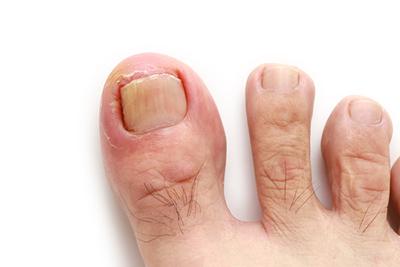
Ingrown ToenailsIngrown toenails, also known as onychocryptosis, can be embarrassing, annoying and painful. This common condition occurs when the surrounding skin on one or both sides of the nail grows over the edges of the nail, or when the nail itself penetrates the skin. As the nail digs into the skin, redness, swelling, and pain are often the result.

People develop ingrown toenails for various reasons. Poor nail-trimming is the most common cause, as this encourages the skin to fold over the nail. Other causes include trauma, such as stubbing a toe, or skin conditions, such as fungal infections or nails that are simply too large. In some cases, the condition may even be inherited. Poor-fitting shoes generally aggravate the condition, making it worse.

Many cases of ingrown toenails may be prevented by:

  • Wearing well-fitted shoes and socks
  • Protecting feet from trauma when possible
  • Trimming toenails straight across and avoiding repeated trimming of the nail borders
  • Keeping feet clean and dry to prevent infection

If an infection is not suspected of your ingrown, it can usually be safely treated from home by soaking your foot in warm water. Avoid "bathroom surgery" and repeated cutting of the nail as this will only make the condition worse.

When attempts to reduce your symptoms from home fail, or when pain, inflammation, swelling or discharge accompany your ingrown, the toenail is most likely infected and should be treated by a podiatrist at our Brandon office. People with diabetes, nerve damage or poor circulation should always seek care immediately if an ingrown nail is detected, regardless of the severity.

A podiatrist can examine the affected toe and determine the best treatment for your condition. For an infection, an antibiotic may be prescribed. Other treatments may involve trimming or removing the infected nail with a minor in-office surgical procedure.

Ingrown toenails may be annoying, but rest assured that they can easily be prevented and treated with the help of your podiatrist. If you think you have an ingrown toenail, visit Woodbury Foot Care Centre for quick and easy treatment.

0 Comment(s) Permalink


Older Posts (10)


This website includes materials that are protected by copyright, or other proprietary rights. Transmission or reproduction of protected items beyond that allowed by fair use, as defined in the copyright laws, requires the written permission of the copyright owners.


Podiatrist Brandon and Tampa, FL - Advanced Foot & Ankle Specialists , 206 Buckingham Place, Suite 101 - (813) 571-2977.

  • Home
  • Staff
  • Office
  • Services
  • New Patients
  • Patient Education
  • Contact Us
  • Appointment Request
  • Officite Copyright 2010
  • Disclaimer
  • Patient Privacy
  • Site Map